There is a particular kind of footballer who does not simply join a club. He arrives, and the club rearranges itself around him — its tactics, its dressing room, its sense of what it is allowed to expect. You only notice the size of the imprint when it is about to be removed.
This summer, thirteen of them go at once. Not fringe players running down deals, not squad filler quietly moved on — these are the players who changed the ceiling. Lewandowski. Salah. Casemiro. Bernardo Silva. Stones. Trippier. Carvajal. Batlle. Putellas. León. Mead. Kerr. Shaw. Different leagues, different positions, different exits — a contract expiring, a manager moving on, a body that can no longer be summoned quite so relentlessly, a negotiation that simply broke. But the common thread is the one that matters: each of them leaves behind a club that is structurally, not just emotionally, different from the one they walked into.
It is worth saying plainly that this is not a men's-football phenomenon with a women's-football appendix. The Arsenal, Chelsea and Manchester City sides losing Mead, Kerr and Shaw are losing them for exactly the reasons Barcelona lose Lewandowski and Liverpool lose Salah — because a structure was built on a person, and the person is leaving while the structure stays. That goes double for Barcelona Femení, who lose not one defining player but three in the same window. The "club transformer who walks away" is a phenomenon of the whole game. So the piece treats it as one.
What follows is not a farewell tour. It is an audit. For each player, the question is the same and it is unsentimental: what, exactly, did this person build — and what does the building look like once the architect has left the site?
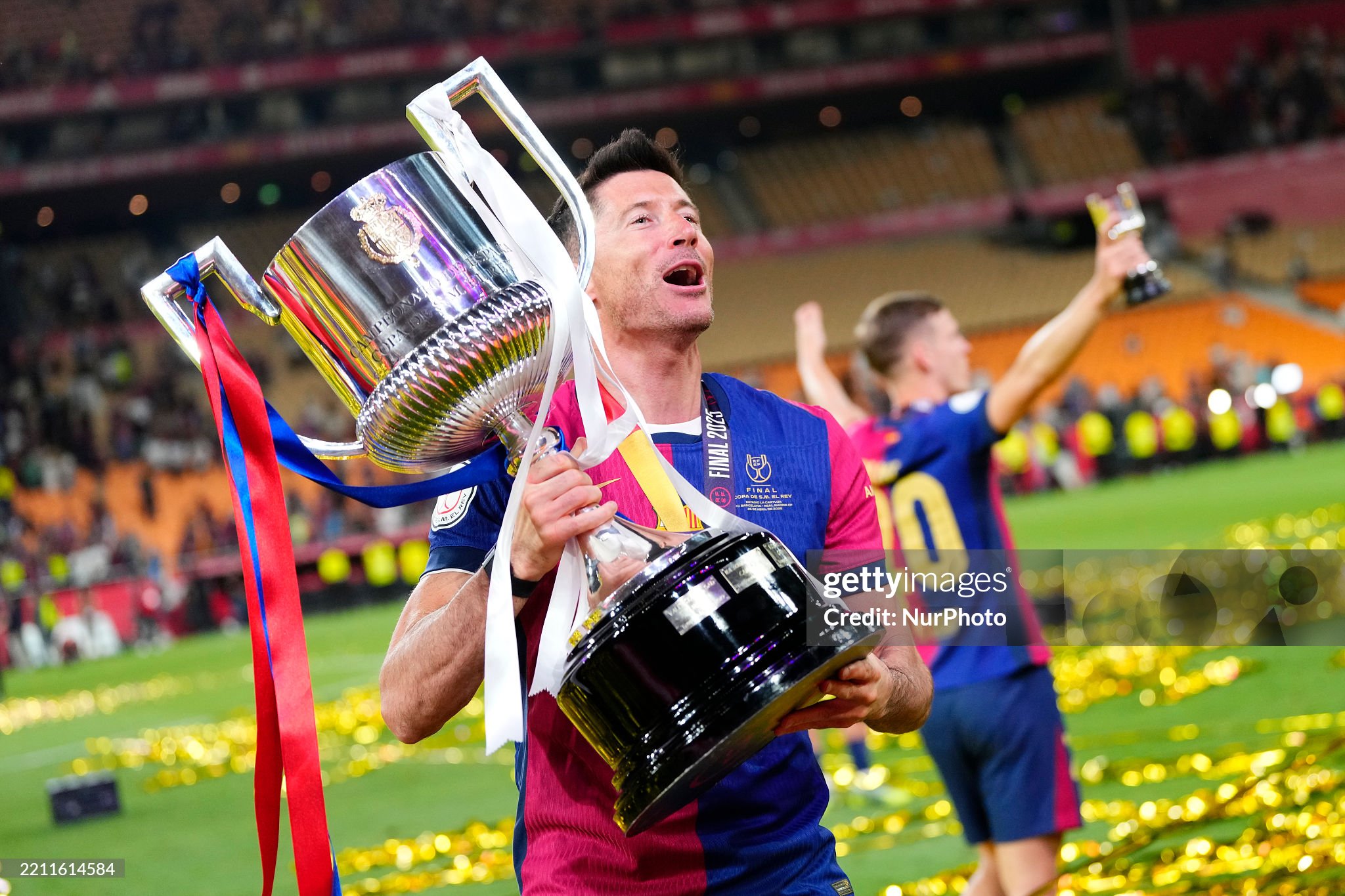
When Lewandowski arrived from Bayern in 2022, Barcelona were not a superpower auditioning for a centre-forward. They were a financially convulsing institution trying to remember how to be themselves, and the prevailing wisdom was that signing a striker on the wrong side of 34 was the act of a club managing decline, not arresting it. He answered that argument the way he has answered every argument in his career — with goals, from the first week, in volumes that made the age question look like a failure of imagination rather than a reasonable concern.
The contribution was never only the tally, though the tally was absurd. It was that Barcelona were able to build an entire competitive identity on the certainty that the ball would be finished. A team in transition can survive almost any deficiency except an unreliable nine; Lewandowski removed that variable for four seasons and let everything else — the rebuild, the youth, the wage restructuring — happen in the space he protected. That is the part that does not show up cleanly in a stats line: he was the fixed point that made the instability survivable.
The exit is the cleanest in this entire list, which is precisely why it carries weight. Barcelona offered terms — reduced, second-or-third choice, one year against the two he wanted — and Lewandowski declined to stay on conditions that would have made him a supporting actor in the squad he had anchored. There is no acrimony in it and no decline narrative being imposed on him: he scored 18 times in a title-winning season and chose to leave on his own reading of the situation. His farewell line was the entire thesis in five words. "Four seasons, three championships. Mission complete." Most players hope a departure will be remembered well. Lewandowski wrote the verdict himself, and it happens to be accurate.
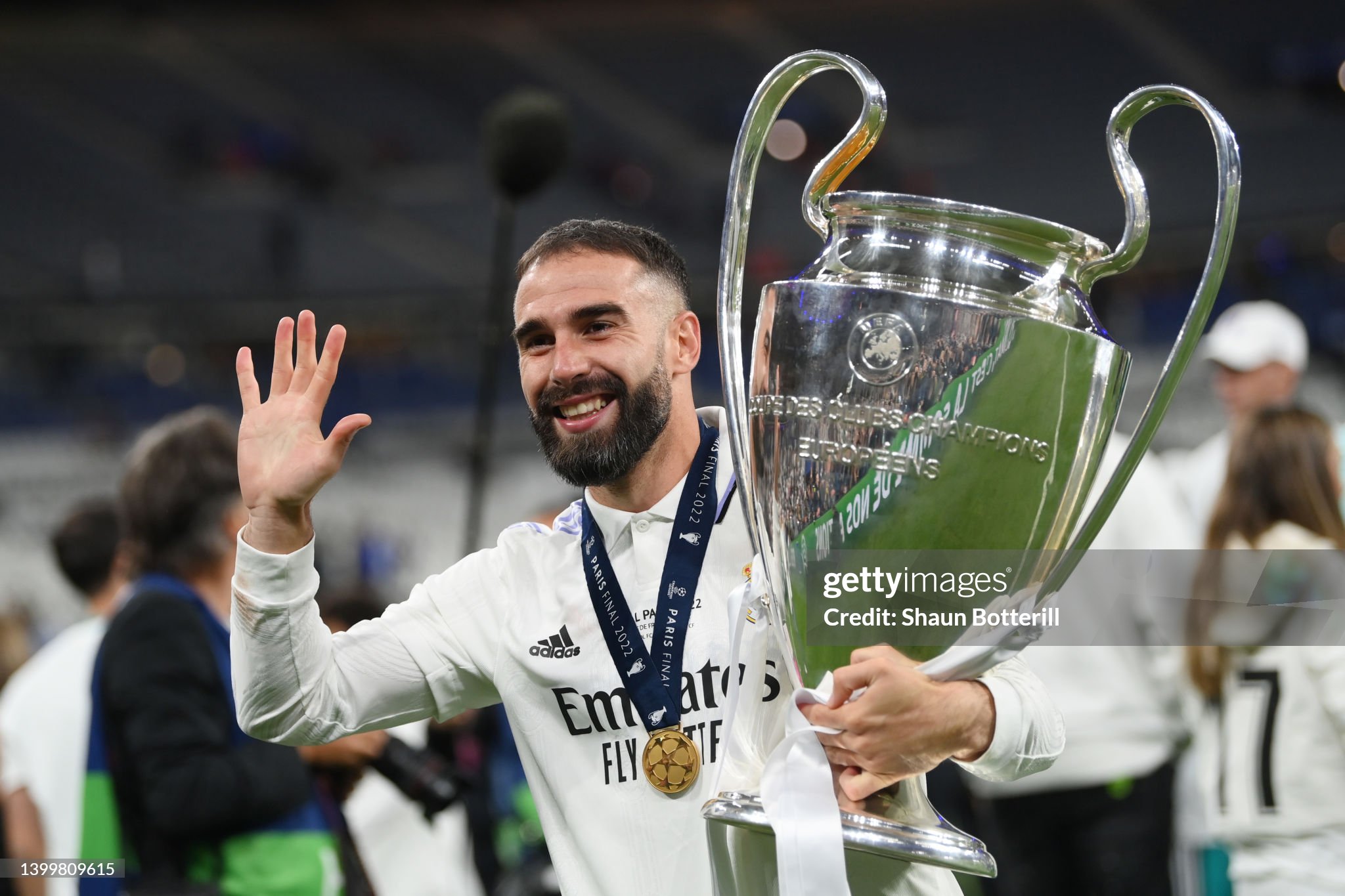
Carvajal is the rarest profile in modern elite football: an academy product who held a starting position at the most demanding club in the world for over a decade, through a procession of managers who agreed on almost nothing except that the right-back slot was not a problem they needed to solve. Six Champions League titles. Four leagues. He is not the player whose name leads the broadcast, and that is the point — he is the player whose presence is the reason the players whose names lead the broadcast were free to do so.
His value at Madrid was structural in the most literal sense. A club that has spent fifteen years cycling galácticos through its forward line could do so partly because the right side of its defence was never an open question. Carvajal was the tactical fulcrum on the touchline a particular kind of Madrid was built on — defensively serious, positionally disciplined, and capable of holding a back line together while the front three improvised. He was also, by every account from inside Valdebebas, one of the genuine voices in the dressing room. Leaders of that type are not signed; they accrue.
The ending is harder to romanticise, and it should not be over-romanticised. The arrival of Trent Alexander-Arnold and a cluster of injuries since his 2024 ACL recovery have left Carvajal a substitute in his final season, omitted from Spain's preliminary World Cup squad, and on the wrong end of a club decision not to renew. This is the unsentimental version of an era ending: not a triumphant send-off engineered by the institution, but a player and a club acknowledging that the position he defined for thirteen years now belongs to someone else. That does not diminish what he built. It simply tells you that great careers rarely get to choose their own final scene — which is exactly why Lewandowski's ability to do so stands out.
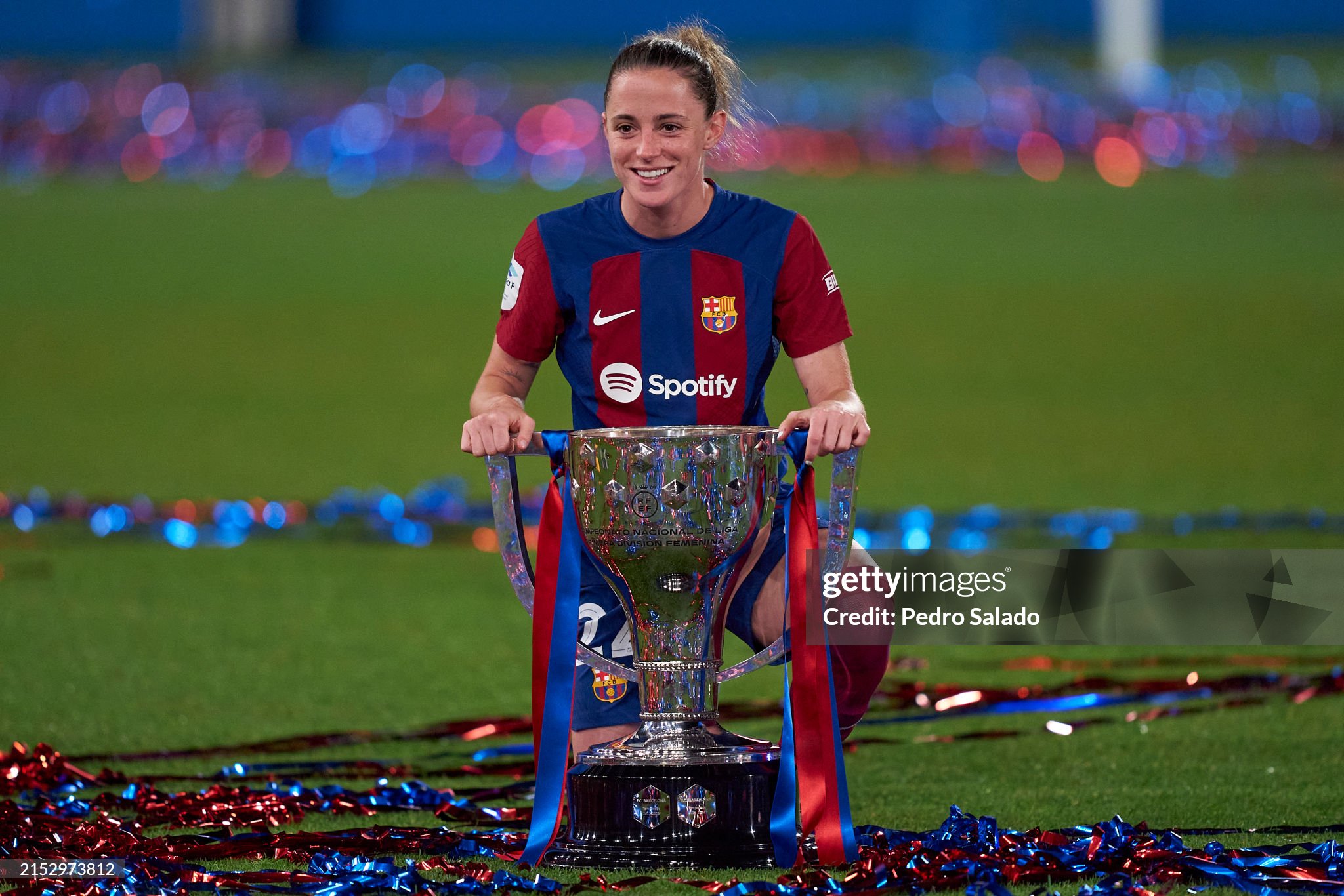
Batlle is the youngest player in this article, and her departure from Barcelona is the one that sits most uncomfortably alongside the others — because while most of these exits involve age, exhaustion, or clubs deciding a player's best work is behind them, Batlle leaves at twenty-five, in full flow, as arguably the best right-back in the women's game. That framing is not promotional. It is what the evidence produces when you watch the last two seasons back.
She arrived from Manchester United in 2022 and transformed a position that Barcelona had always treated as a secondary axis — competent, disciplined, rarely the source of danger — into one of the primary weapons in their structure. Her ability to combine genuine defensive intensity with the kind of overlapping and underlapping movement that opens the right channel for attacking patterns turned the flank into a controlled pressure system. Champions League titles, multiple Liga F crowns, a Spain national team shirt that she holds on merit rather than rotation. The exit, linked to an offer that failed to match her market rate, is in the same register as Shaw: a club losing someone mid-ascent, not at the end of one.
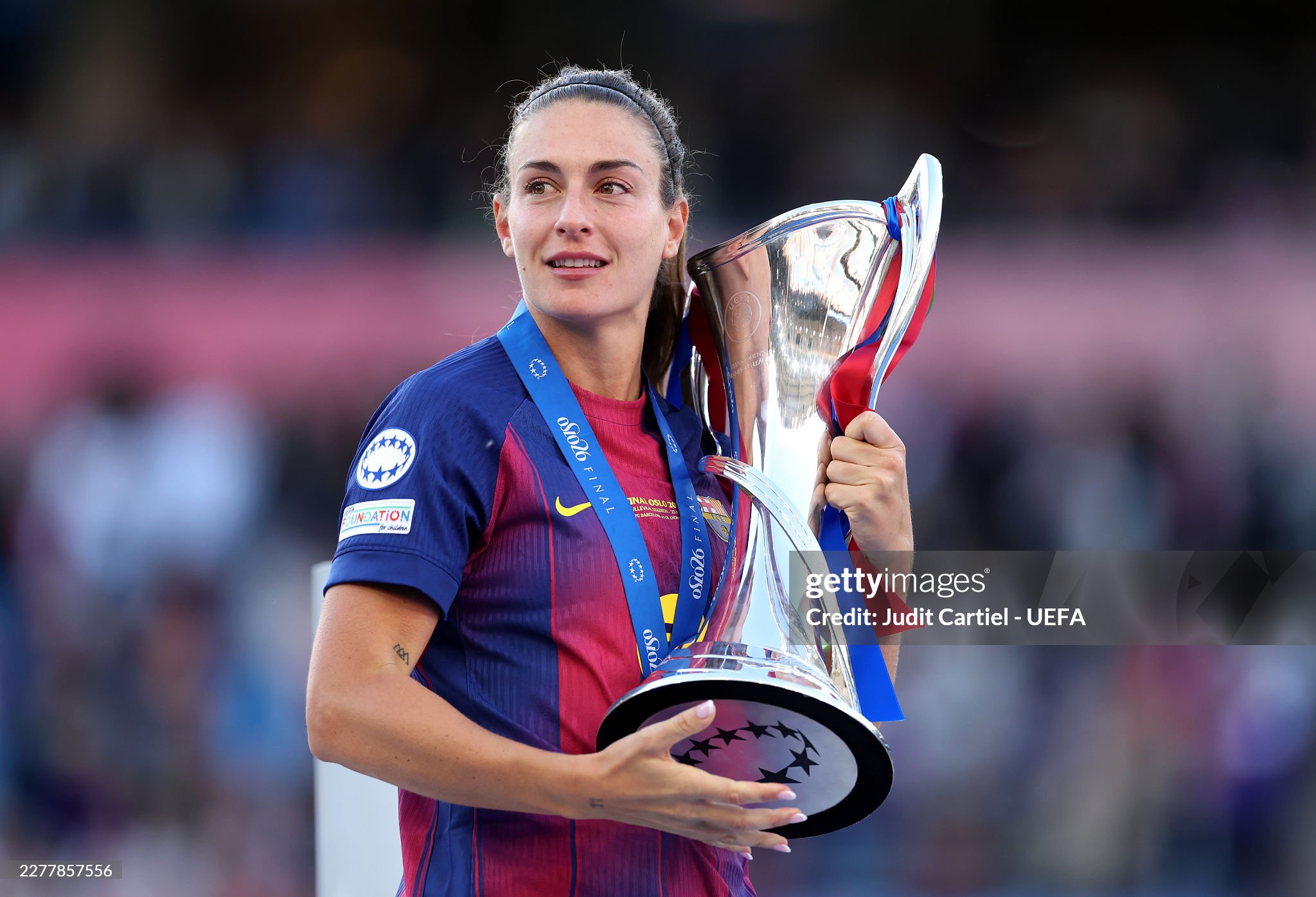
If this article has a figure who defies the framing — who is too large to be described as a club-transformer because the transformation was mutual and total — it is Alexia Putellas. She did not just change Barcelona Femení. She changed the language used to describe the women's game, and did it in a way that made individual brilliance and collective identity feel like the same thing. Two consecutive Ballon d'Or awards. Fourteen seasons at the club. The emblematic player of a period in which the best women's side in Europe was also, without argument, the most watchable one.
Her value was never reducible to a single function, which is partly what made the ACL rupture in July 2022 — on the eve of a European Championship she was favoured to dominate — feel less like an injury and more like an abrupt interruption of something still being written. She came back. She won the second Ballon d'Or in part because the committee understood the injury had been absorbed into the story, not ended it. What the return established was not just that she was still the best player in the world — it was that she had enough left to demand a farewell on her own terms rather than the ones her hamstring would eventually impose.
The exit carries the same weight as Salah's, and for the same reason: the metric by which Barcelona Femení measure themselves — the assumption that they are the team who play the best football and win the most trophies — was substantially manufactured around one player. The structure stays. The architect leaves. What they have to answer is not whether they can replace her, because that question answers itself immediately in the negative. It is whether the identity she created is now robust enough to function as an inheritance rather than a dependency.
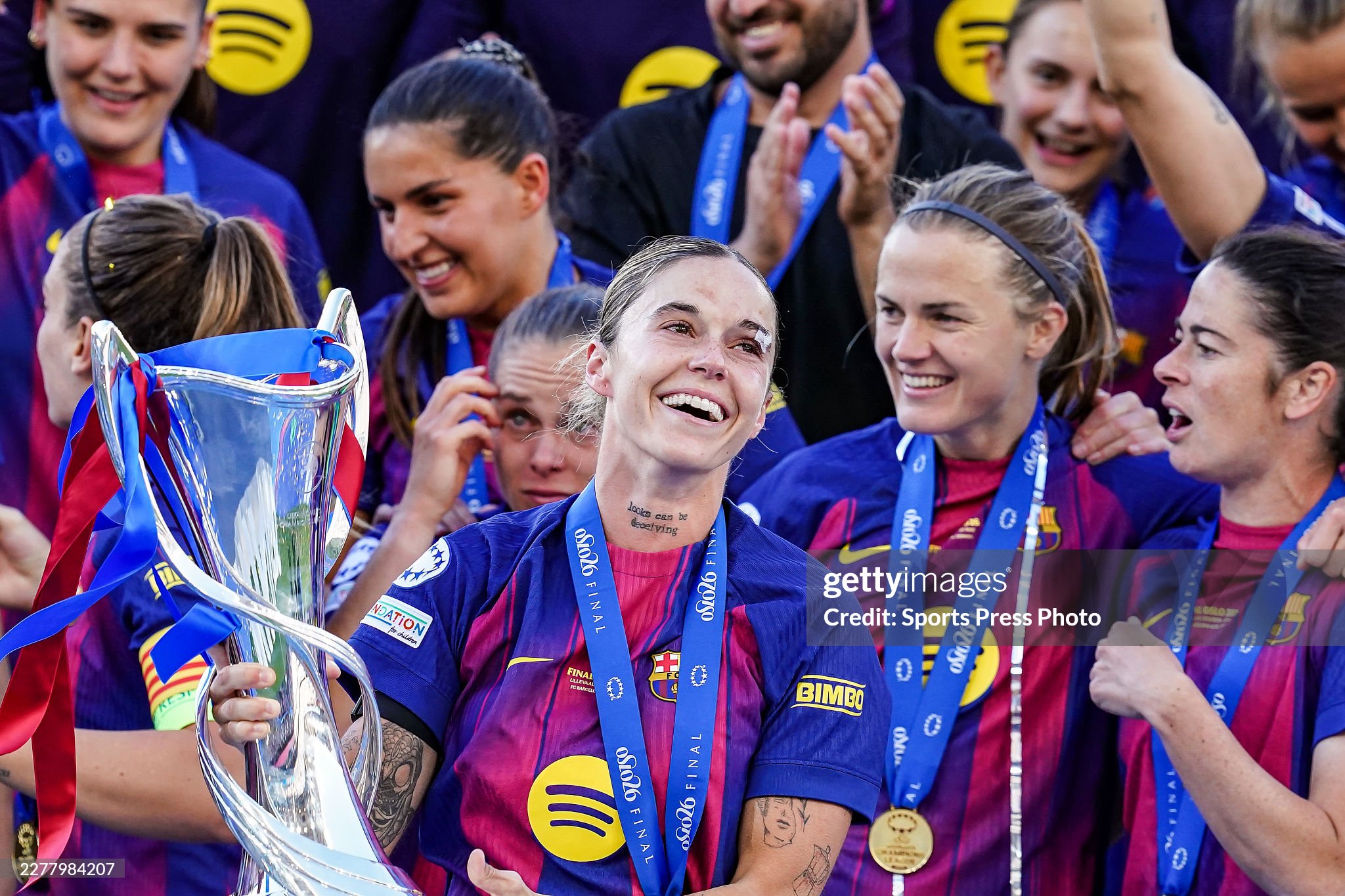
León is the least visible figure in the Barcelona triple departure, and that invisibility is almost definitional of what she provided. A centre-back who was also captain, also the organisational spine of a press-oriented system that was designed to win the ball as high as possible, as often as possible — that player works best when you are watching the game and not thinking about her. She was very good at being unthought about. Nine seasons, multiple Liga F titles, Champions League medals, the armband. The quiet architecture of a dynasty, the player who made the more celebrated names free to be celebrated.
The departure lands differently from Putellas's and Batlle's. This is not the early exit of a player in full flow, nor the seismic farewell of the person who embodied an era. It is closer to Carvajal — a leader whose value was structural rather than spectacular, whose exit is most accurately described as the removal of load-bearing material that will not be noticed until the building is tested without it. Barcelona Femení are losing their captain, their defensive organiser, and the on-field voice of a generation of dominance simultaneously. That they are losing Putellas, Batlle, and León in the same window is not three departures. It is the dispersal of an entire identity in a single transfer window.
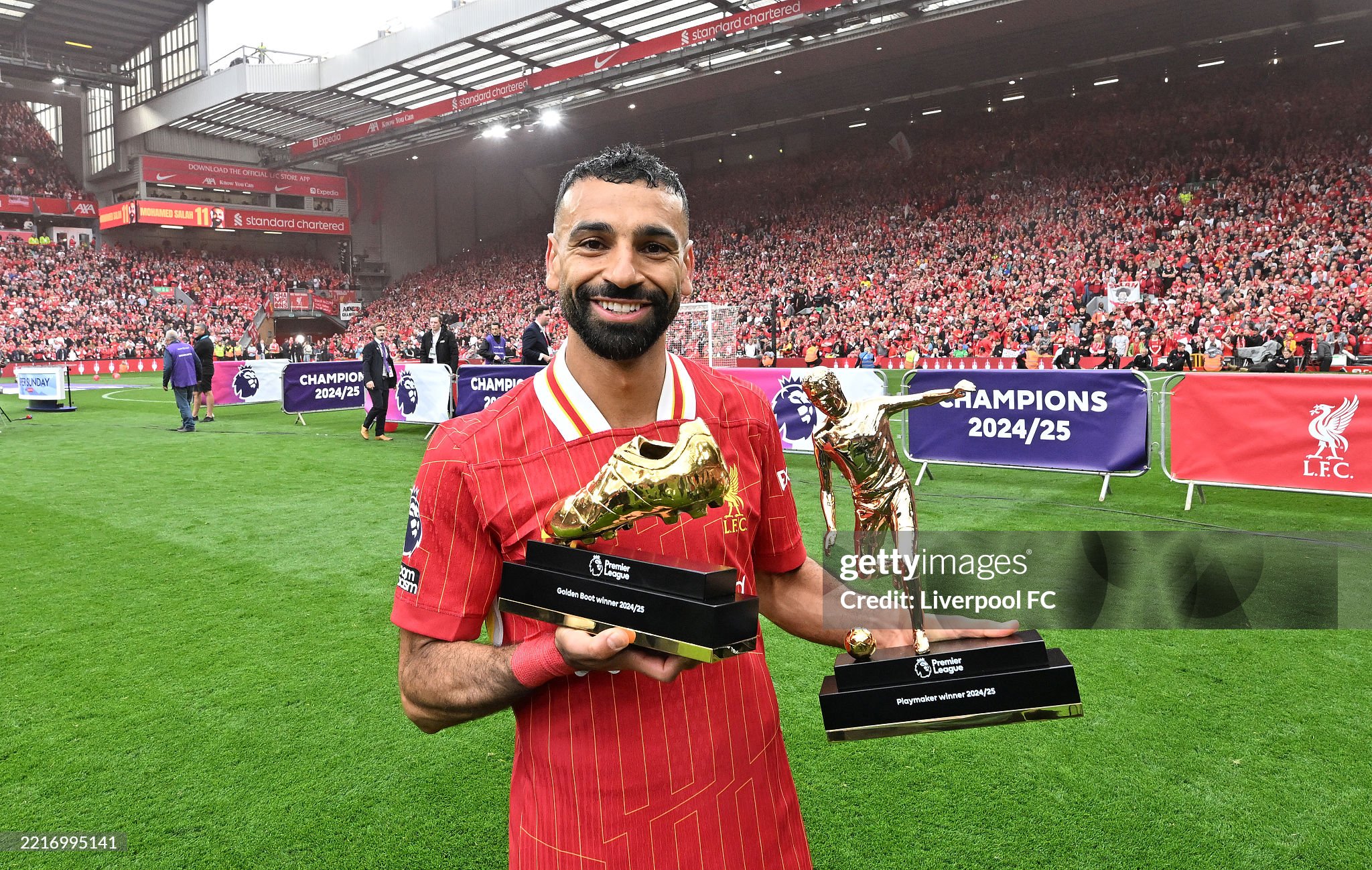
Every other player in this article transformed a club. Salah transformed the terms on which a club could be discussed at all. When he signed in 2017, Liverpool were an excellent team with a recurring inability to convert excellence into trophies — a side that lost finals and finished fourth. He did not merely improve that team. He removed the ceiling that defined it. The trophies that followed — the Premier League, the Champions League, the FA Cup, the League Cup — are usually framed as a collective achievement, and they were. But the collective achievement was unlocked by a single player who turned chances into goals at a rate that made the team's underlying quality finally count.
The statistical case is almost unfair to itemise. Over 250 goals. The record for goal involvements by a single player in Premier League history. Numbers at that altitude stop being a measure of performance and become a description of an era — there is simply no version of the last nine years of Liverpool that exists without him, and no honest attempt to tell that story that can route around him. He is, by any serious accounting, among the greatest players the English game has ever hosted.
What makes the departure significant is not that Liverpool lose a great goalscorer; clubs replace goalscorers. It is that the metric by which Liverpool measure themselves — the assumption that they are a side that wins things rather than nearly wins things — was substantially manufactured by one man, and now that man leaves while the assumption stays. Salah's real bequest is psychological infrastructure. He goes having permanently raised what the institution believes it is entitled to expect. That is the hardest thing in football to build and the most dangerous thing to inherit.
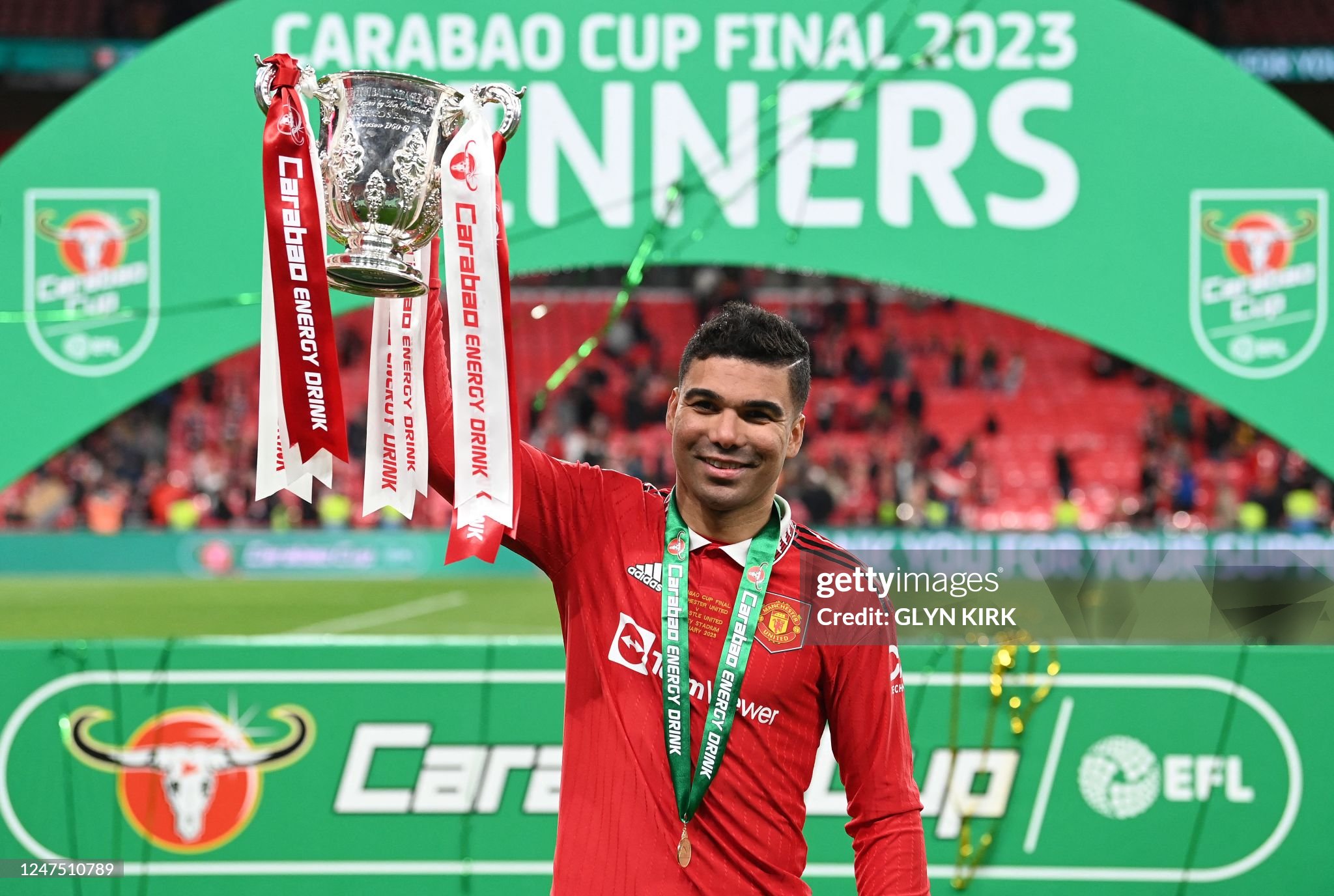
Casemiro is the most interesting departure in this list because his story refuses the template the others fit so neatly. It is not a smooth arc of greatness. It is three distinct acts, and the temptation to flatten them into a single legend-leaves narrative should be resisted, because the truth is sharper than the legend.
Act one: he arrives from Real Madrid in 2022 and does, genuinely, transform the club. United had spent a decade without a world-class defensive anchor or a credible tactical leader in midfield, and Casemiro supplied both more or less immediately. His first season was a vindication — the squad's ceiling rose the moment he started organising the space in front of the back four. For a year, he was exactly the player the transfer fee promised.
Act two: the disastrous second season. The legs that had always been a step ahead were suddenly a step behind, the high-profile errors accumulated, and a not-insignificant section of the fanbase had moved him from emblem to liability. This is the act the romantic version of the story quietly deletes. It should not be deleted, because it is what makes act three mean something.
Act three: the redemption nobody scripted. In what everyone now knows is his final season, Casemiro was, individually and at team level, demonstrably better — back to influencing matches, back to being chanted for, the United supporters audibly asking the club to keep a player it had already decided to release. He leaves on a free, the club committed to a midfield overhaul, the extension clause mutually waived. But he leaves having engineered the rarest thing in elite football: a third act that rehabilitates the second. That is not a legend who declined gracefully. It is a player who was written off and answered it. The first is a eulogy. The second is a story.
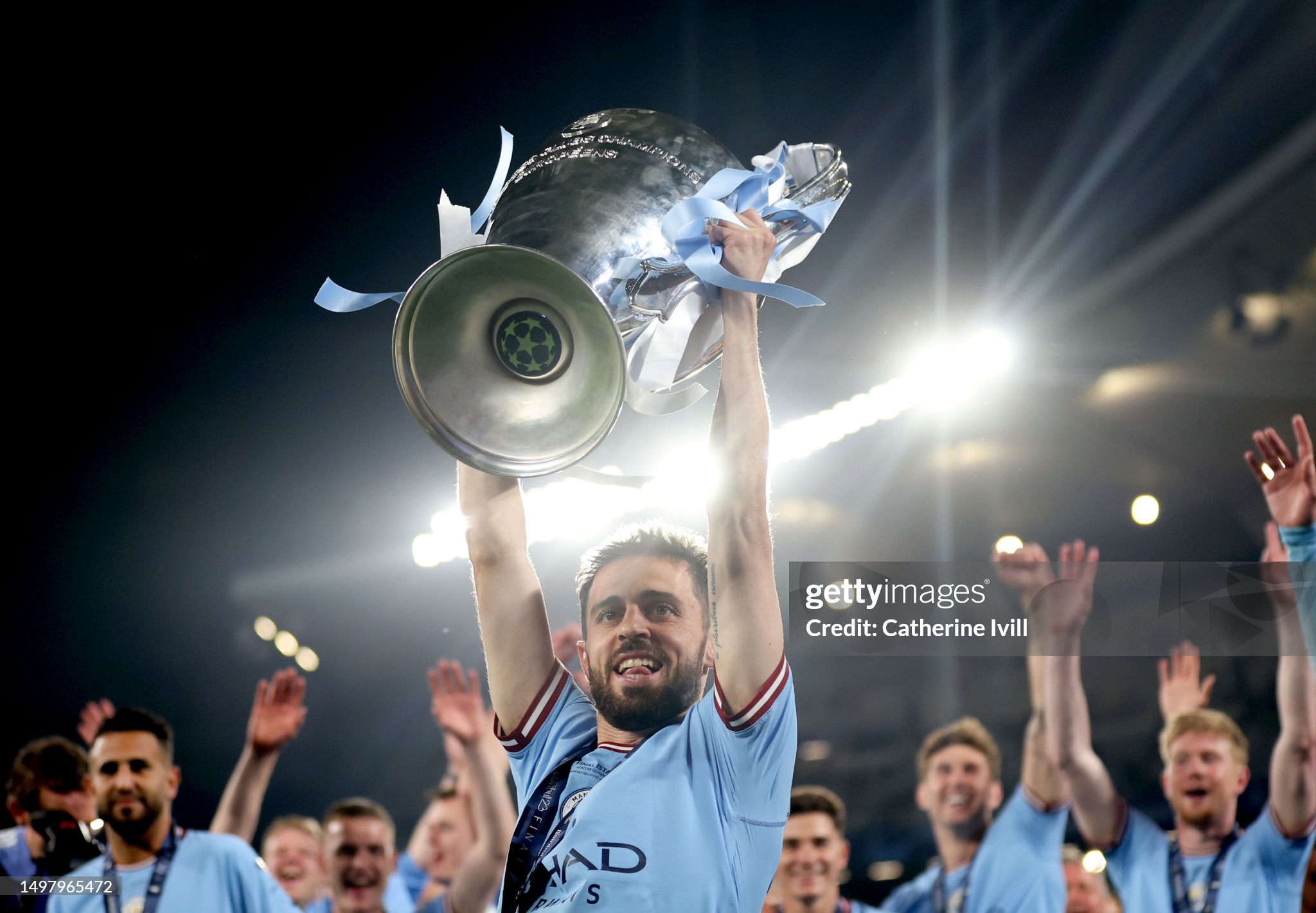
If you had to design a single player to embody the most dominant era in a club's history, you would build Bernardo Silva. I'll give the profile its proper name: the Tactical Chameleon. Over nine years he was a winger, an attacking midfielder, a central midfielder, and — in the seasons it mattered most — a defensive anchor wearing an attacker's number. Not a utility player filling gaps, but a genuinely elite operator at four distinct jobs, switchable mid-game, mid-season, mid-system, without a discernible drop.
That versatility was not a personal quirk. It was load-bearing for the entire Guardiola project. A manager who reinvents his structure every few months needs a player who can absorb the reinvention without breaking, and Bernardo was that absorber — the variable Guardiola could move so that everything else could stay fixed. Fifteen major trophies, six Premier League titles, the 2023 Champions League, the spine of the Treble side. The numbers are enormous; the function was larger than the numbers.
City's own people have framed the loss more honestly than any outside analysis could. The assistant manager's line — that you never search for a replacement for a player like this because that type does not exist, you only try to grow the team around the hole — is the single most revealing sentence any of these clubs has produced about any of these departures. It is an admission that some players are not positions to be refilled but functions that simply end. Bernardo's flexibility was the connective tissue of a dynasty. You can sign a replacement for a winger. You cannot sign a replacement for connective tissue.
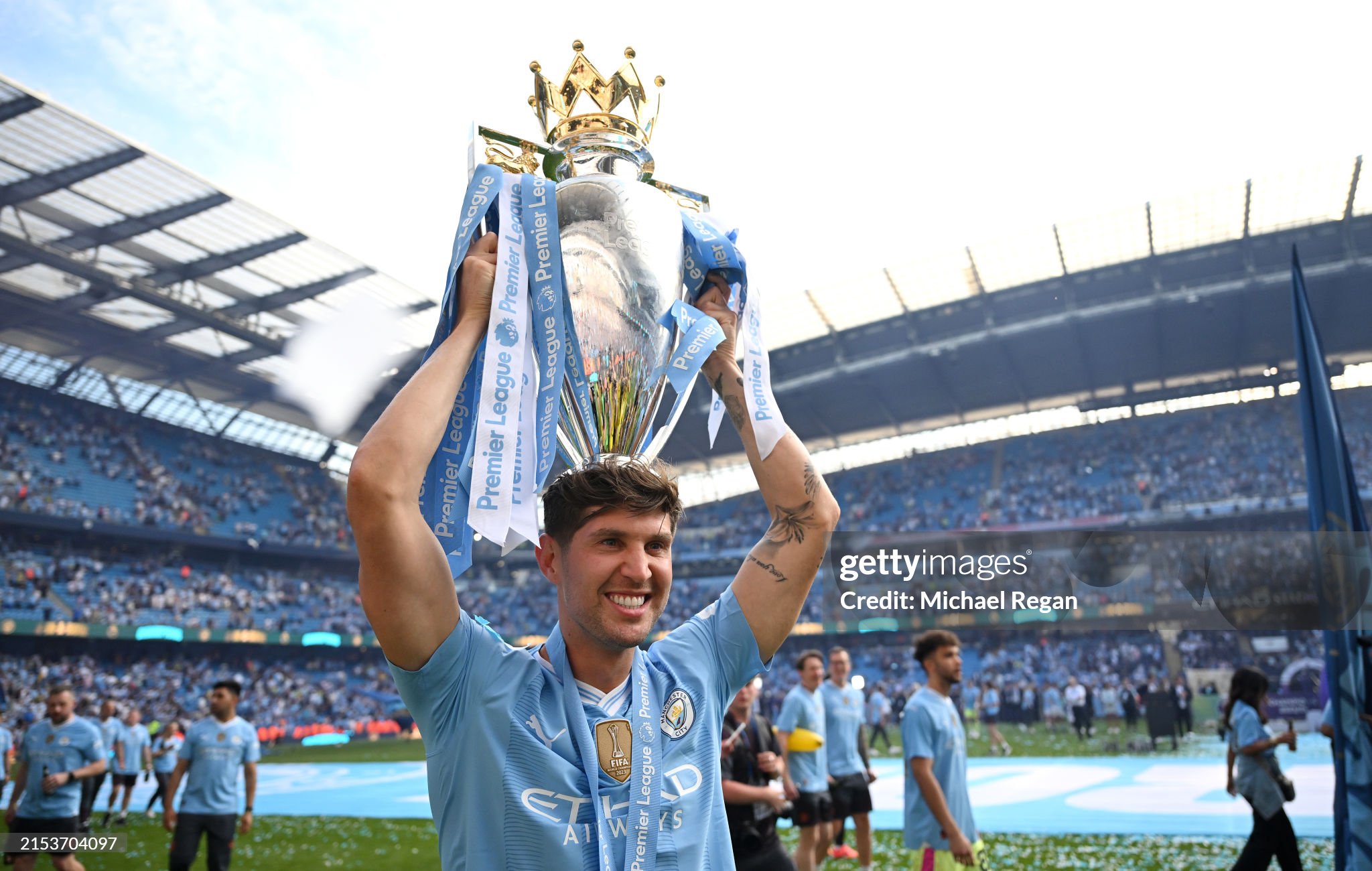
Stones is the only player in this list whose transformation was also a tactical invention. He arrived in 2016 as a gifted, risk-prone centre-back — the kind of defender whose talent was never doubted and whose decision-making was perpetually litigated. He leaves having become the physical embodiment of one of the defining structural ideas of the modern game: the centre-back who steps into midfield to control matches from a position he is not nominally playing.
The point is not that Stones executed the inverted-defender role well. The point is that, at City, the role was substantially built around what he could specifically do. During the Treble season in particular, the team's method of controlling games — the back line becoming a midfield in possession — was not a system Stones slotted into. It was a system that his particular blend of defensive reliability and midfield composure made viable in the first place. He did not adapt to a revolution. He was the condition of it.
He is, along with a small group of contemporaries, among the most decorated players in the club's history — and the manner of his exit is the quiet tragedy that runs underneath several of these stories. Two seasons of fitness trouble, sixteen appearances in his final campaign, no renewal offered as the squad is rebuilt around him. The footballing idea he helped prove will outlive him at every elite club that now uses it. The player who made it real leaves on a free, his body no longer able to sustain the thing his mind helped invent. Tactics are inherited freely. Bodies are not.

Trippier offers the cleanest before-and-after on this entire page, because the before was so specific and the after so measurable. January 2022: Newcastle are in the relegation places, newly wealthy but directionless, and Trippier becomes Eddie Howe's first signing — an England international with Champions League and title-winning experience choosing, deliberately, to walk into a fight against the drop. The signing was the statement. It told a dressing room what the club was now going to be about before a single tactical instruction was issued.
What followed is the rare case where the transformation is not a matter of interpretation. Newcastle had not won a domestic trophy in roughly seventy years and had played in the Champions League precisely twice in their history. Inside Trippier's spell: two Champions League qualifications and, at Wembley, the Carabao Cup — the drought ended, the ninety minutes played in full, the trophy lifted alongside the captain. He did not contribute to a project. He was, on Howe's own account, the standard-setter the project was built around.
Howe's farewell wording is unusually exact for a manager, and worth taking literally: from the moment he walked through the door, he helped drive standards that changed the club's trajectory. Trajectory is the precise word. A trajectory is not a result; it is the direction results will take for years after the person who set it has gone. Trippier's measurable contribution is the silverware. His real one is that Newcastle now expect to be the kind of club that wins things — and they did not expect that before him.
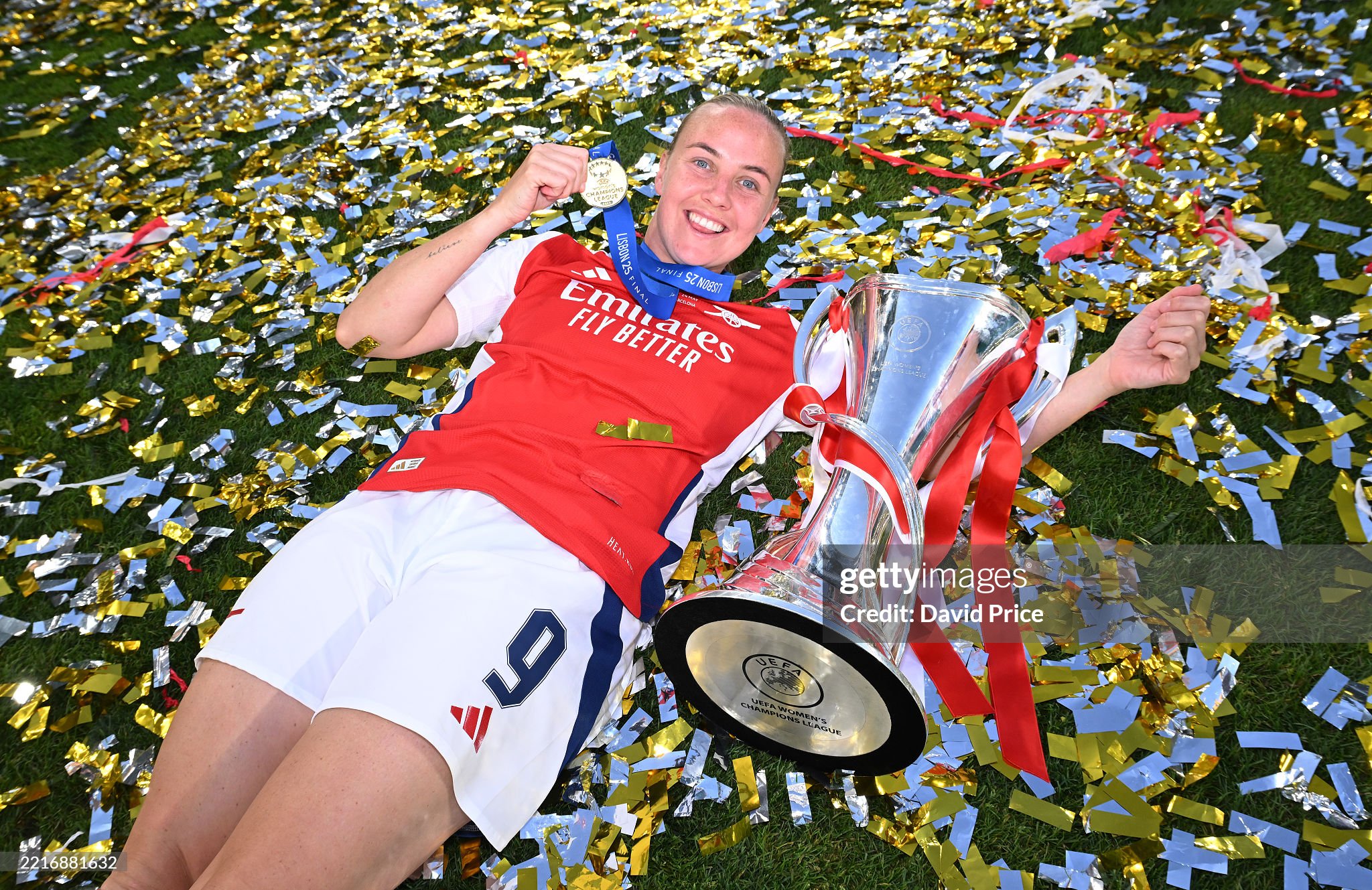
Mead is the player in this list whose transformation reached furthest beyond her own club. The Arsenal career is substantial on its own terms — nine seasons, 263 appearances, 86 goals, a WSL title, three League Cups, and a Champions League won via her assist for the winner against Barcelona in Lisbon. But the reason her departure registers as the end of something larger is that her single most consequential contribution did not happen in red and white at all. It happened in an England shirt, in the summer of 2022, in front of a country that had not yet decided to care.
That tournament is the hinge. England won a first major honour, and Mead won the Golden Boot and Player of the Tournament inside it — but the lasting effect was not the medal. It was that women's football in England stopped being a thing the mainstream periodically discovered and became a thing the mainstream simply followed. The BBC Sports Personality award that followed was not a footballing prize; it was an acknowledgement that the centre of gravity had moved, and that she was a substantial part of why. Players who win trophies are common. Players whose performances change how large an audience exists for the sport are not.
The exit is the most amicable kind: respectful talks, an adapted role offered, a player choosing regular minutes ahead of a World Cup year over a reduced one — and Arsenal's own statement, calling her a legend of the club, written without the defensiveness institutions usually deploy when a great player chooses to leave. An ACL rupture at the absolute peak in late 2022 cost her a season and, arguably, a sharper second act. What it could not do was retract the thing she had already built. Arsenal lose a forward. The English game keeps the audience she helped manufacture. That is the larger inheritance, and it does not transfer with her.

Kerr is the cleanest expression in this entire piece of a single idea: a club's era of dominance can be, to a startling degree, the work of one finisher. Chelsea were a strong side before her and will be a strong side after her, but the years that defined them — the run of WSL titles, the domestic near-monopoly — were built on the certainty that the best chances would be taken by the best penalty-box striker in the league. Five WSL titles, three FA Cups, three League Cups, and a place as the competition's all-time leading scorer. The trophies were collective. The conversion rate that produced them was not.
What makes the case unusually strong is the natural experiment that ran through her final two seasons. The ACL injury in early 2024 removed her for around twenty months, and Chelsea's relationship with the very top of the table visibly changed in her absence: the title ceded to Manchester City, knocked out of the FA Cup, third with a game to play. Correlation is not proof, but it is rarely this legible. A team does not lose its identity because one player is missing — unless that player was the identity. Kerr's value was not that she scored. It was that her scoring was the thing the rest of the side was permitted to assume.
The send-off was, fittingly, written by her. Returning from the long lay-off she scored 16 in 29, and in her final appearance — the last day, against Manchester United, the same fixture she had once produced a title-winning brace against — she scored the winner. Most great careers do not get to choose their last image. Kerr's last image was the one that defined the whole of it: the ball in the net, the game won, the striker walking off having done the single thing the club spent six years building around her. She leaves on a free, with NWSL interest, on her own terms. Like Lewandowski, she got to write her own verdict, and like his, it reads true.
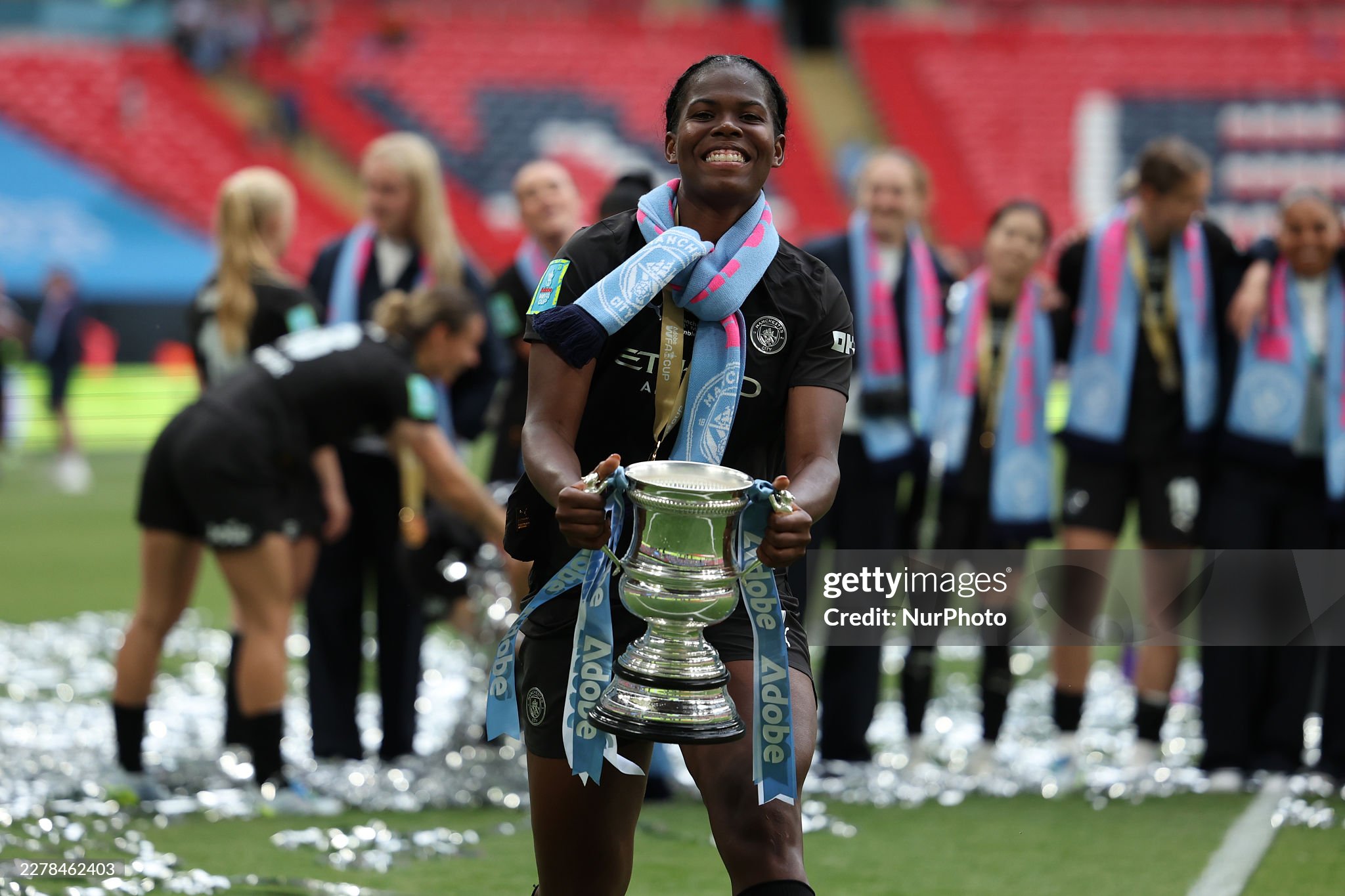
Shaw is the sharpest story in this entire list, and it is sharp for a reason none of the others are: she does not leave at the natural end of a decline, or after the club has decided she is finished, or in the calm of a planned farewell. She leaves at the exact moment of maximum value — the season she dragged Manchester City to their first WSL title in a decade, named Footballer of the Year, on course for a third consecutive Golden Boot. The departure is not the closing of an era. It is the loss of one mid-construction.
That is what makes the City case different from every other on this page. Lewandowski, Carvajal, Stones, Bernardo — those are clubs absorbing the end of something already largely complete. City are absorbing the removal of the player who just finished building the thing they have been chasing for ten years. The 110 goals in 133 appearances since 2021 are not a legacy being closed; they are a function still operating at full output, leaving because contract talks collapsed over length and money rather than because the football demanded it. The most expensive departures are not the players in decline. They are the players still ascending.
One note on certainty, in keeping with how this site flags it. Unlike the other nine, Shaw's exit has not been formalised by a club announcement or a signed destination — it is widely and consistently reported across tier-one outlets that she will leave on a free with talks broken down, Chelsea among the favourites, but it is reporting, not ceremony. That distinction does not weaken the analytical point; it sharpens it. A club does not let a player at this level reach this position by accident, and the fact that the negotiation failed at all is itself the story. The most revealing thing a club does is not how it celebrates the players it keeps. It is which of the players it cannot afford to lose it loses anyway.
Thirteen players. Three competitions. Clubs that are champions, a club that was nearly relegated, and a women's game that has just spent a decade convincing the world to watch — and the same pattern runs underneath all of it. A great departure is never really about the player leaving. It is about whether the club spent its years building a person or building a structure that can survive the person. Lewandowski and Kerr chose their own endings. Carvajal and Stones had theirs chosen for them. Casemiro rewrote his. Shaw and Batlle are being lost mid-ascent. And Barcelona Femení are not losing three players — they are losing the entire identity of a dynasty in a single window, which is a category of problem none of the others face. None of that changes the question every one of these clubs now has to answer at once: what, exactly, did we have — and can we still be ourselves without it?